
Shutter (2008) | 50 Days of Horror, Day 20
Day 20 of 50 Days of Horror: Shutter ties guilt to photography itself, turning cameras and flashes into witnesses nobody in the story can escape.

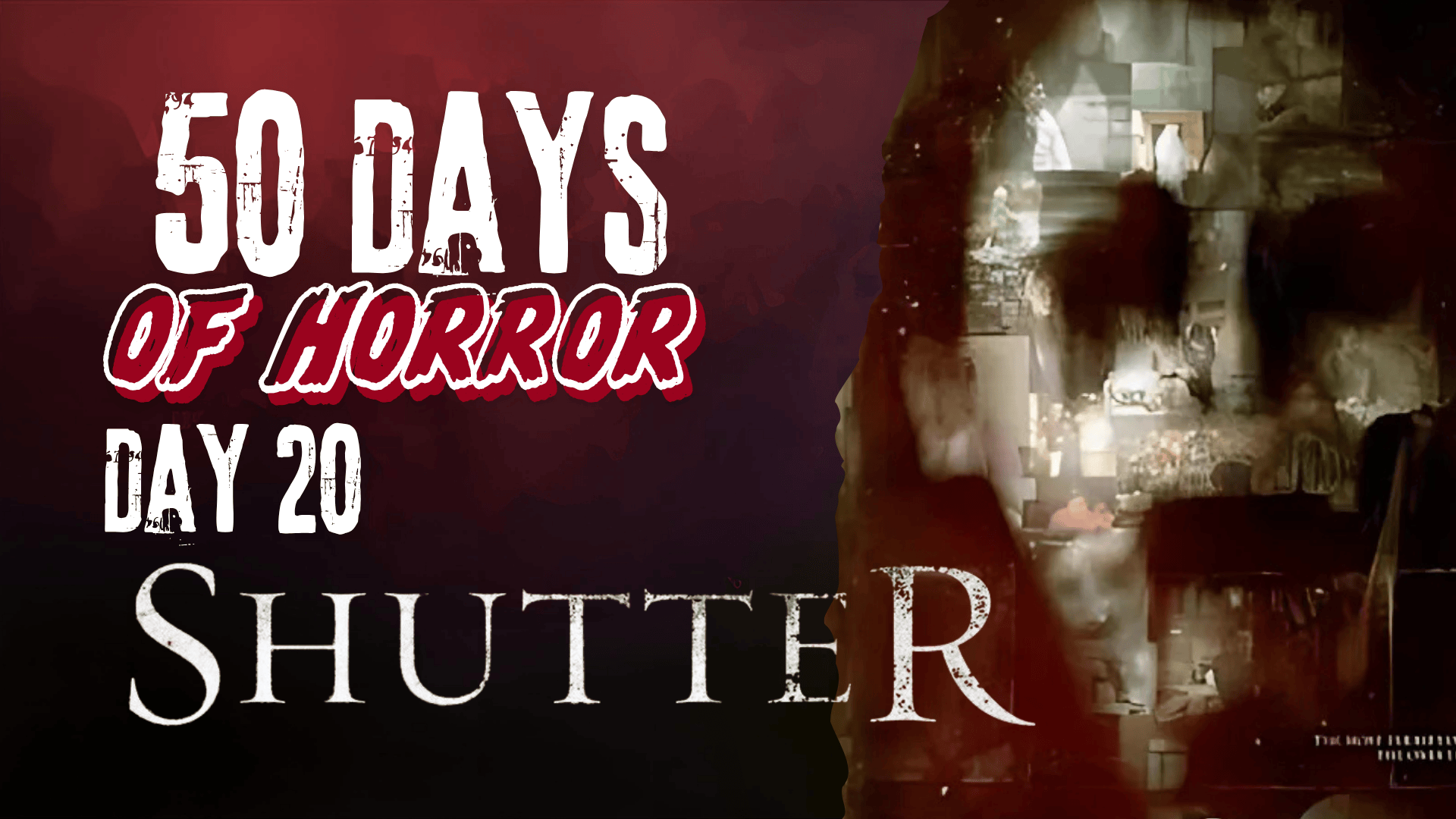
Night twenty lands right in the thick of the late-2000s wave of American remakes pulling from Asian horror, this one adapting a Thai original. What keeps it worth a watch beyond that context is how directly it ties its haunting to something completely mundane — photography. Strange marks start showing up in developed pictures, a camera flash catches things the naked eye misses, and guilt sits in the frame the way an afterimage lingers after you look away from something too bright. A couple takes a photo, looks closer, and realizes something in it is wrong, and the story builds outward from there.
What actually makes it stick isn't the scares themselves so much as the underlying discomfort — the idea that the tools meant to hold onto our memories might also be quietly recording something we'd rather not see. That's a more interesting hook than most remakes from this era bothered reaching for, and it's aged into something a little more unsettling now that cameras are permanently in everyone's pocket rather than something you picked up occasionally.
It earns its spot for pulling dread out of completely ordinary tools — a camera, a flash, a mirror — which keeps the horror close to home in a way that's only gotten closer since. It grounds the haunting in our guilt rather than random misfortune, and it builds toward a final image that reframes everything leading up to it and doesn't leave easily once it's in your head. Keep the room dark and resist brightening the picture — the scares live in the murk at the edges of frame, and losing that murk loses the effect. Balance your volume rather than riding it high; the sharp stingers land harder when there's genuine silence sitting between them.
There's something to that idea beyond the movie itself — dread hiding in plain sight, inside an object as ordinary as a photograph, waiting for someone to look closely enough to notice it. That's not far from what the Nightmare Logic line is going for — the sense that something's slightly off in an image you'd otherwise walk right past.
On the collector side, this one never got the deluxe treatment its Thai source material eventually earned, but it's still worth a spot on a shelf documenting that whole remake wave alongside the bigger names from the same era — some collectors find the digital sharpening on the disc a little aggressive, so temper your expectations on the transfer. It doesn't carry the same cultural weight as the films that kicked that trend off, but as a piece of horror history, it marks a specific moment when a studio tried to bottle someone else's ghost story and sell it back stateside. Let the ending sit in total silence for a minute before the lights go back on — the reveal doesn't need to hit as hard as the genre's biggest moments to leave something behind that's hard to shake. Anyone else notice how much creepier "there's something in this photo" has gotten now that everyone's constantly taking one?
Part of the 50 Days of Horror series.